3D Concrete Printing in Practice: FCE BUT Students Excelled During an International Programme in France
Students from the Faculty of Civil Engineering at Brno University of Technology (BUT) participated in an international Erasmus+ Blended Intensive Programme (BIP) focused on 3D concrete printing. During an intensive two-week stay in France, they experienced the entire production process – from designing sustainable concrete mixtures and digital modelling to robotically printing their own concrete column. They gained valuable experience alongside students and experts from several European universities.
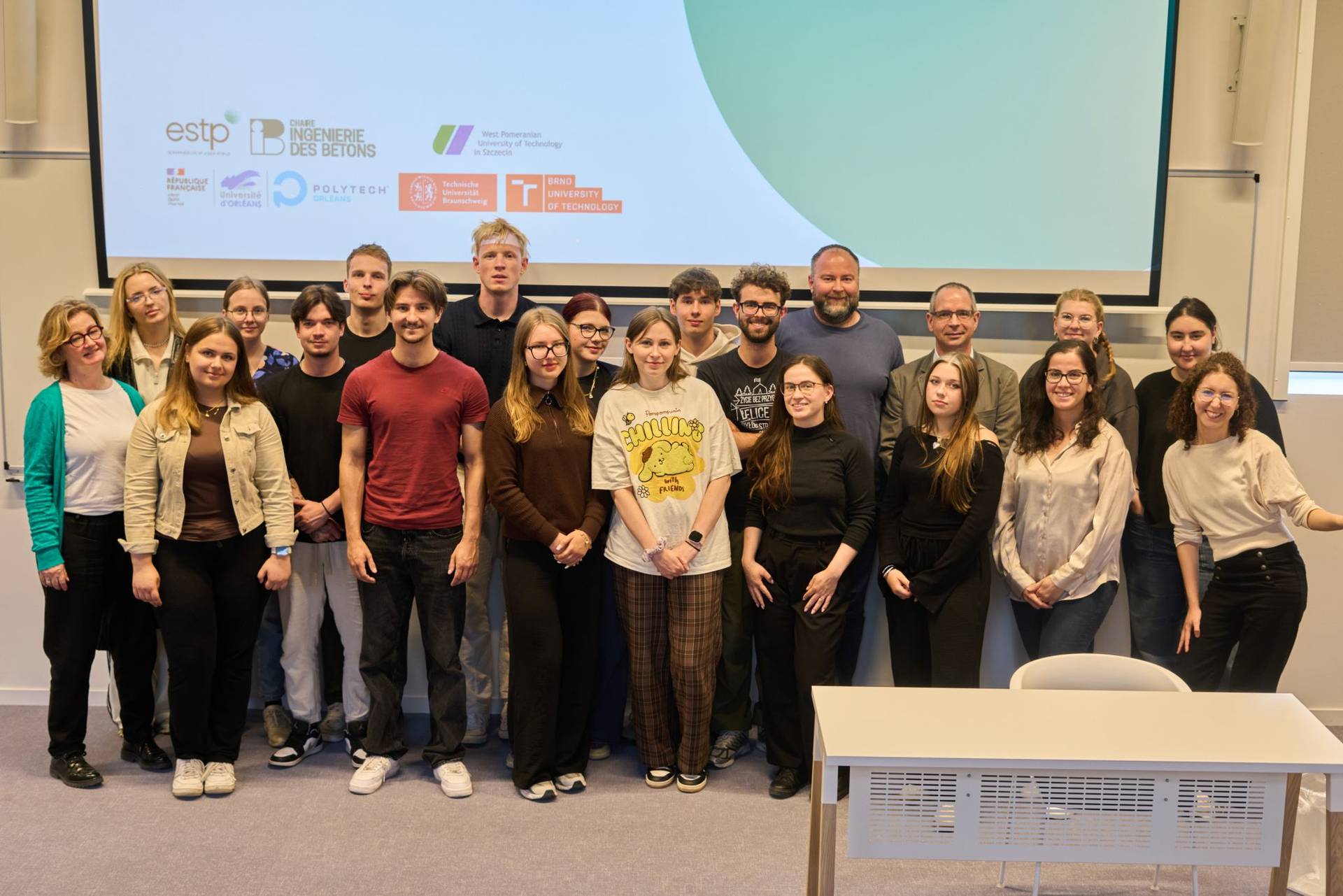
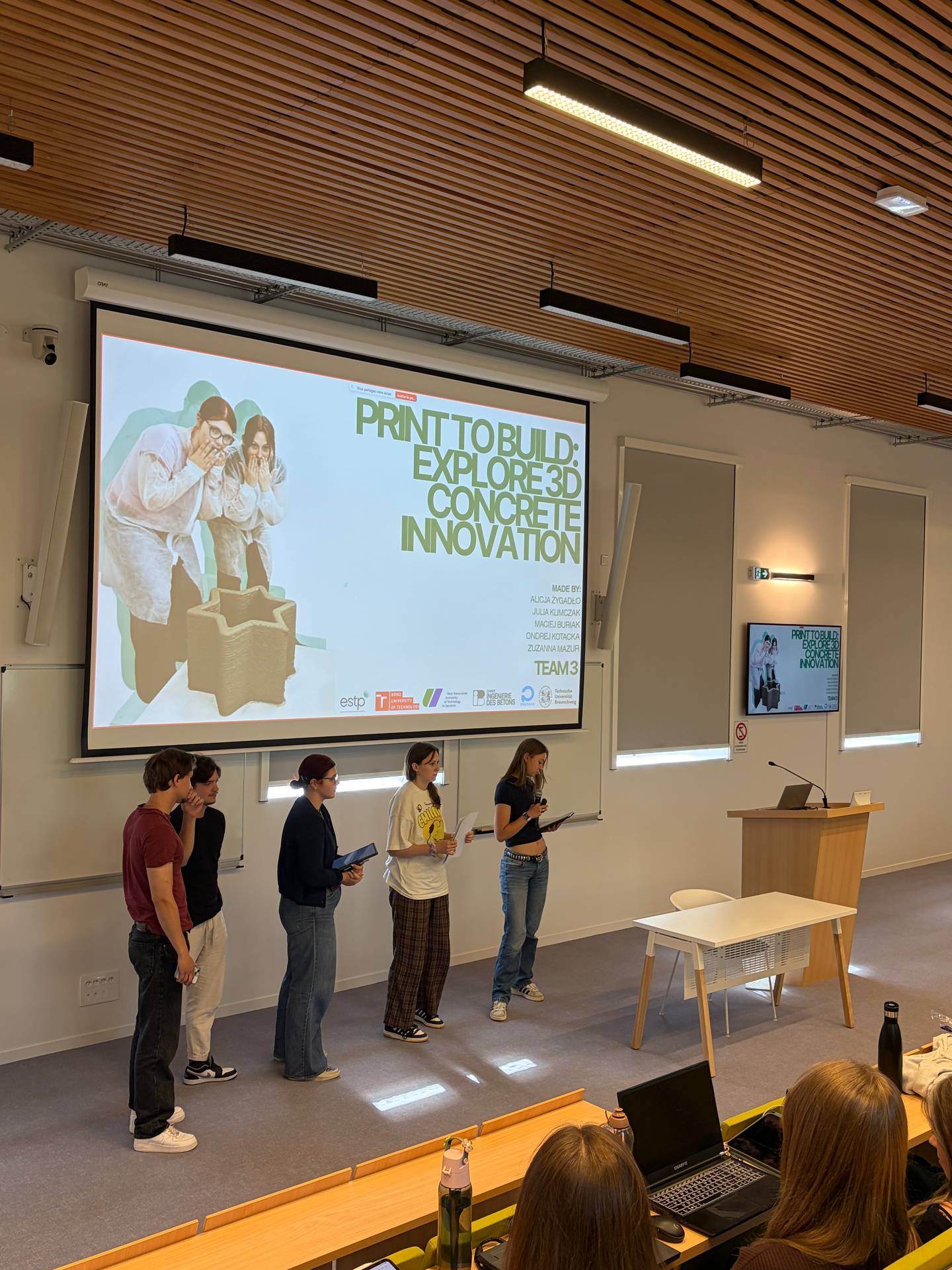
3D printing technology in construction is attracting increasing attention from both professionals and the general public. It offers opportunities for faster construction, more efficient use of recycled materials and a reduced environmental impact of the construction industry. These were the key topics explored during the international educational course “Print to Build: Explore 3D Concrete Innovation”, organised as a Blended Intensive Programme (BIP) under Erasmus+.
Four students from the Faculty of Civil Engineering at BUT participated in the programme: Markéta Kořínková, Tomáš Kostka, Ondřej Kotačka and Vojtěch Rudický. The course was academically coordinated by the French institution ESTP in cooperation with Polytech Orléans. In addition to FCE BUT, the participating institutions included Technische Universität Braunschweig in Germany and the West Pomeranian University of Technology in Poland.
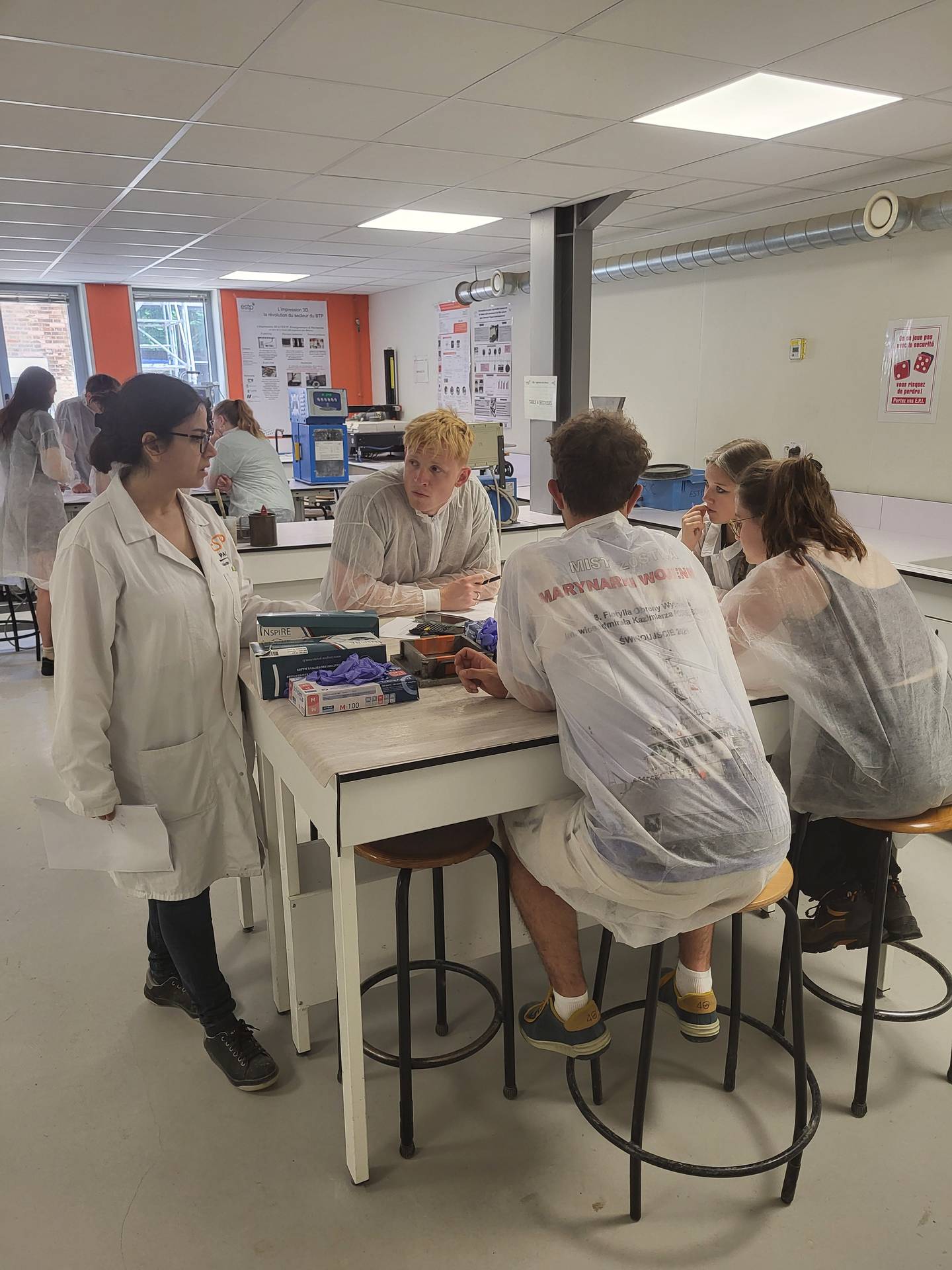
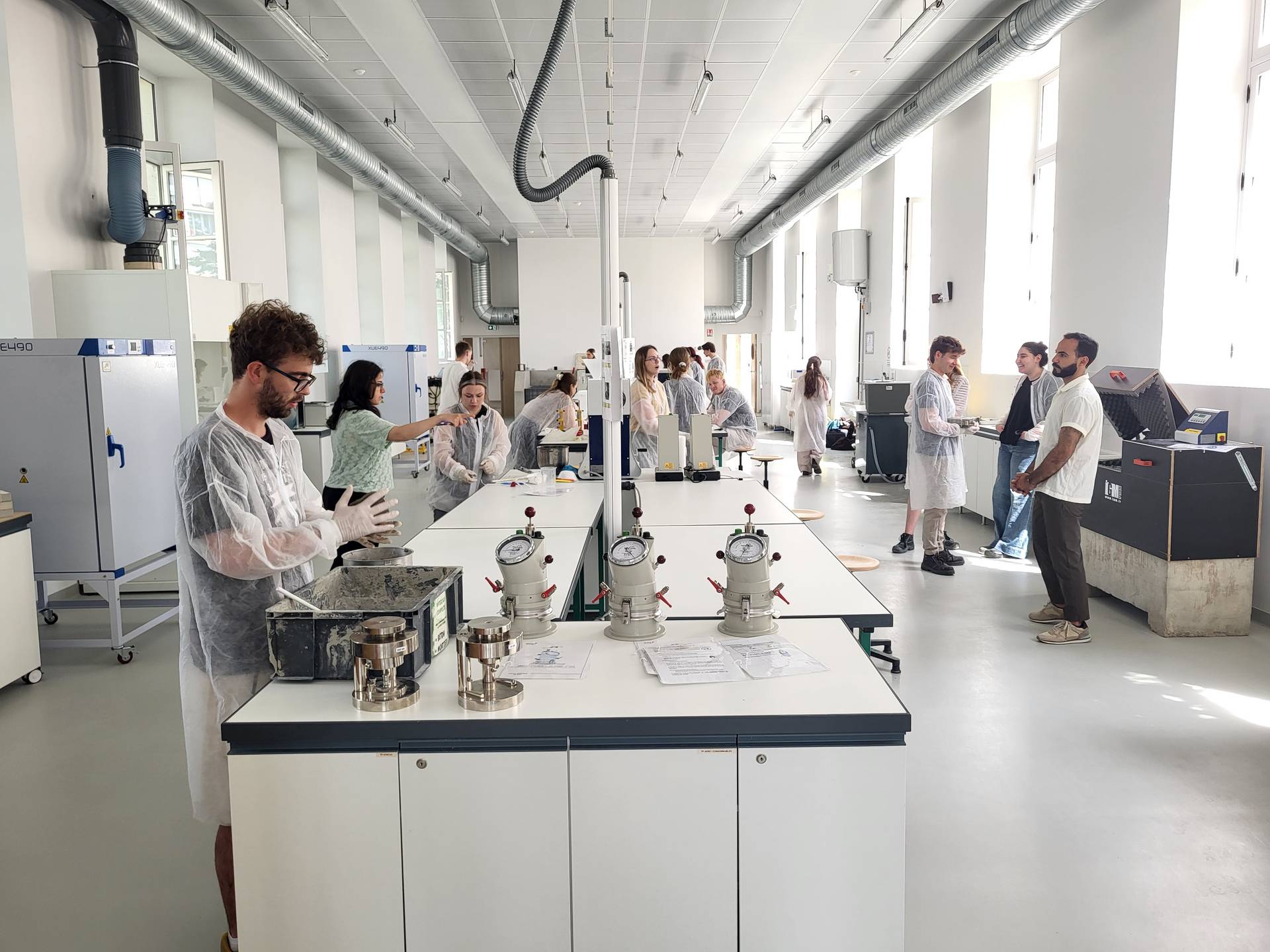
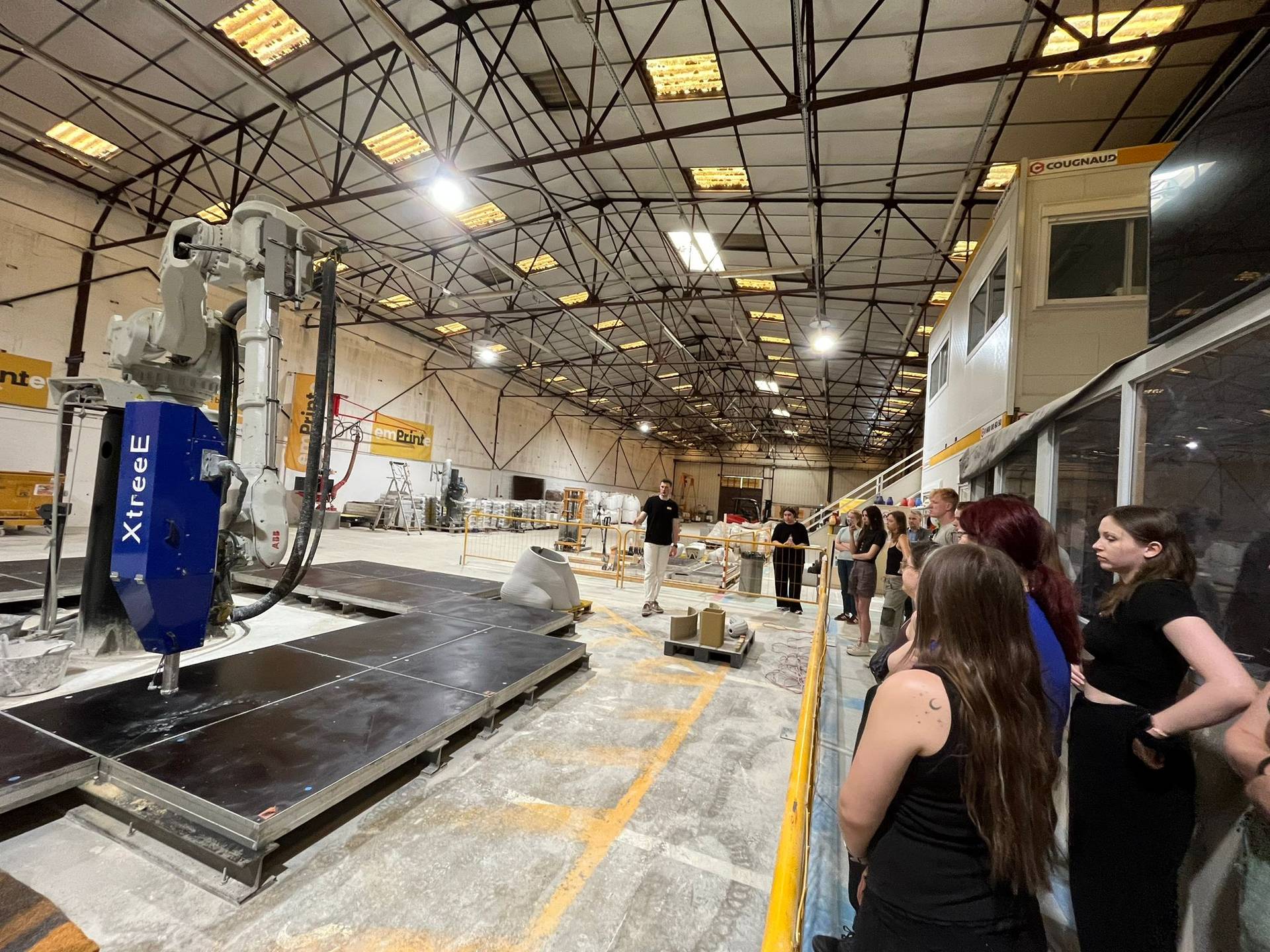
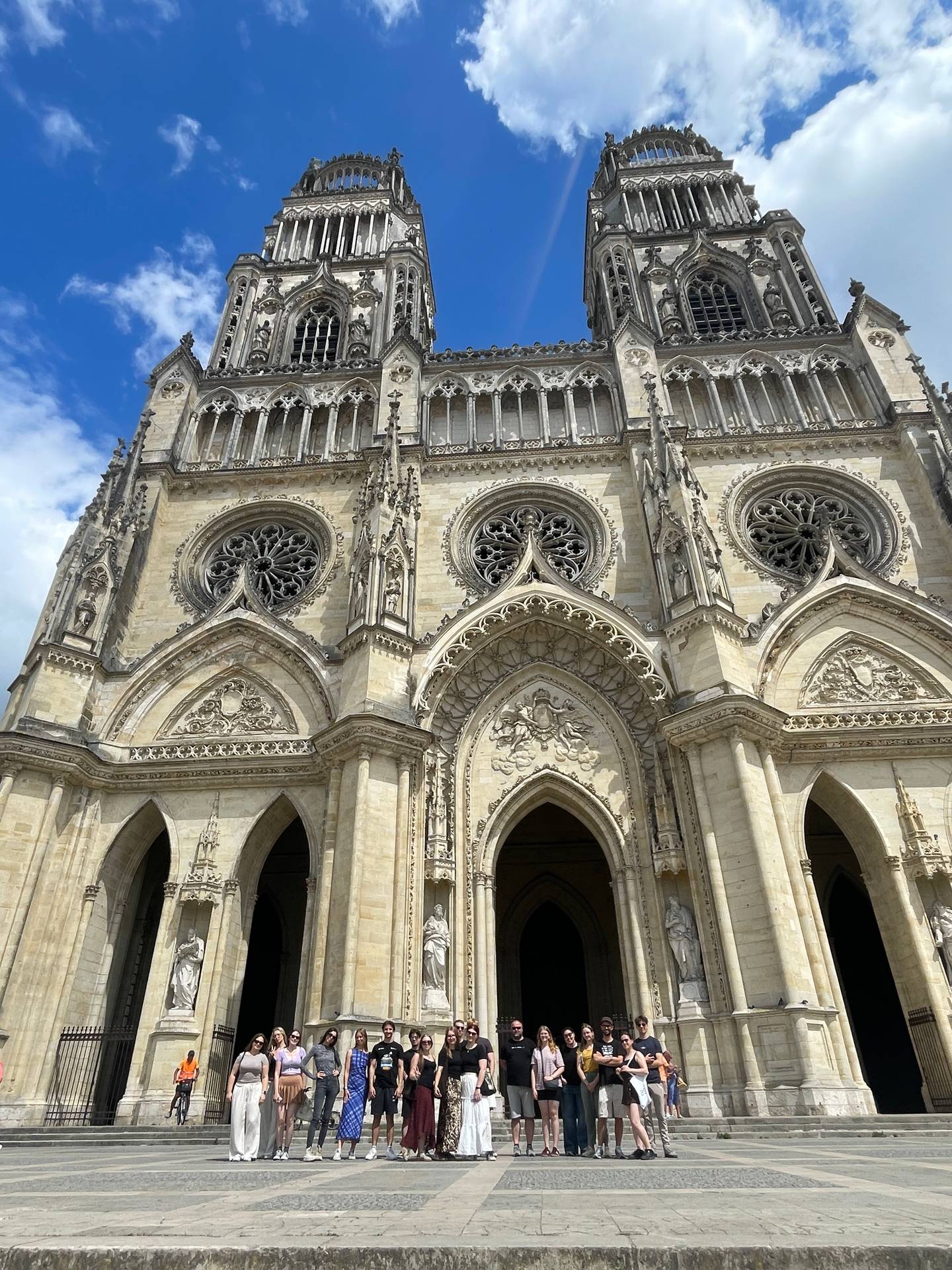
The programme combined online preparation phase with a two-week physical mobility period in France. Students spent the first week studying theoretical principles at the ESTP campus in Cachan, near Paris, and the second week working in the laboratories of Polytech Orléans. The programme also included sightseeing and a visit to emPrinte, a company specialising in 3D printing technologies.
From Concrete Mix Design to 3D Printing
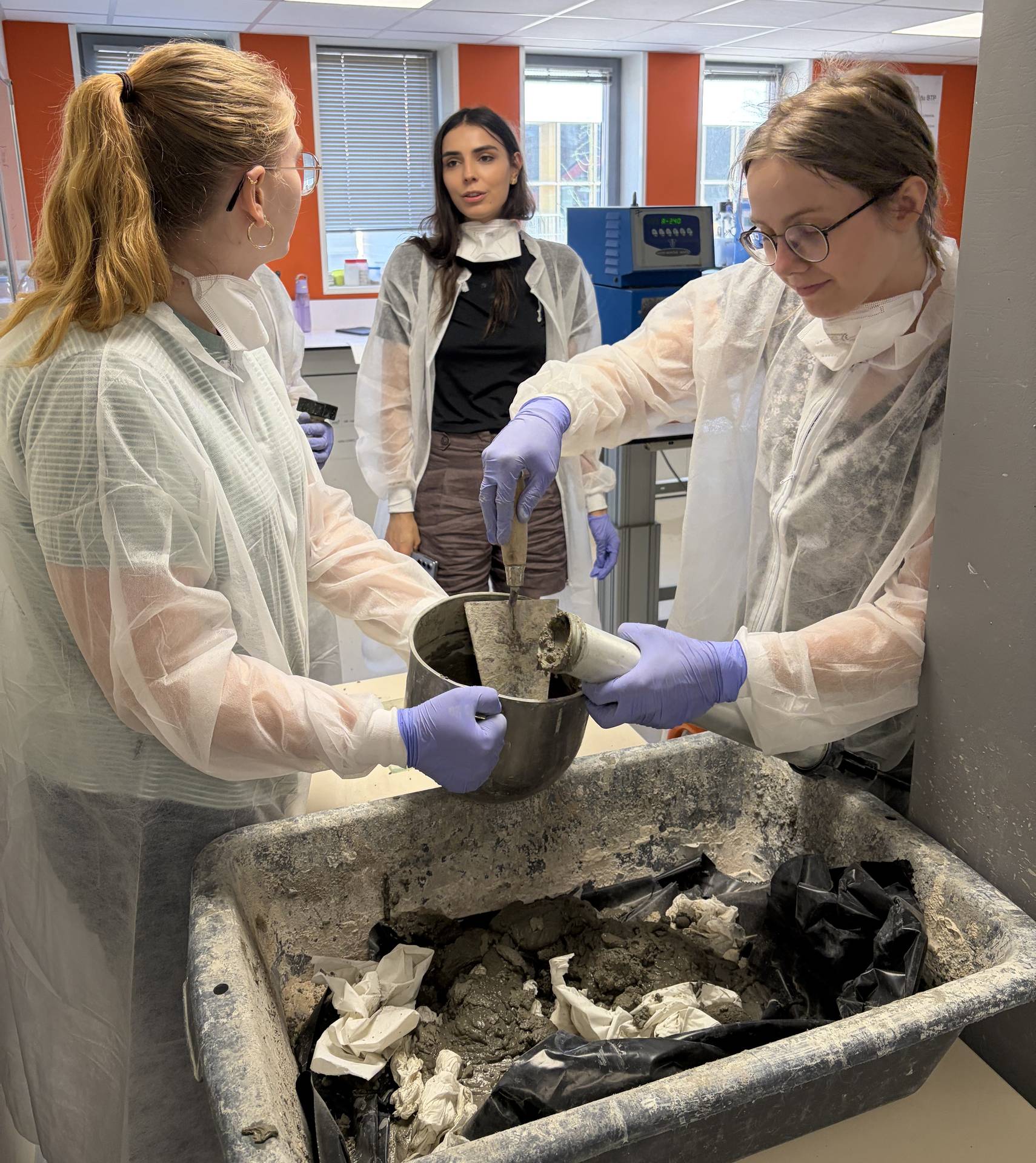
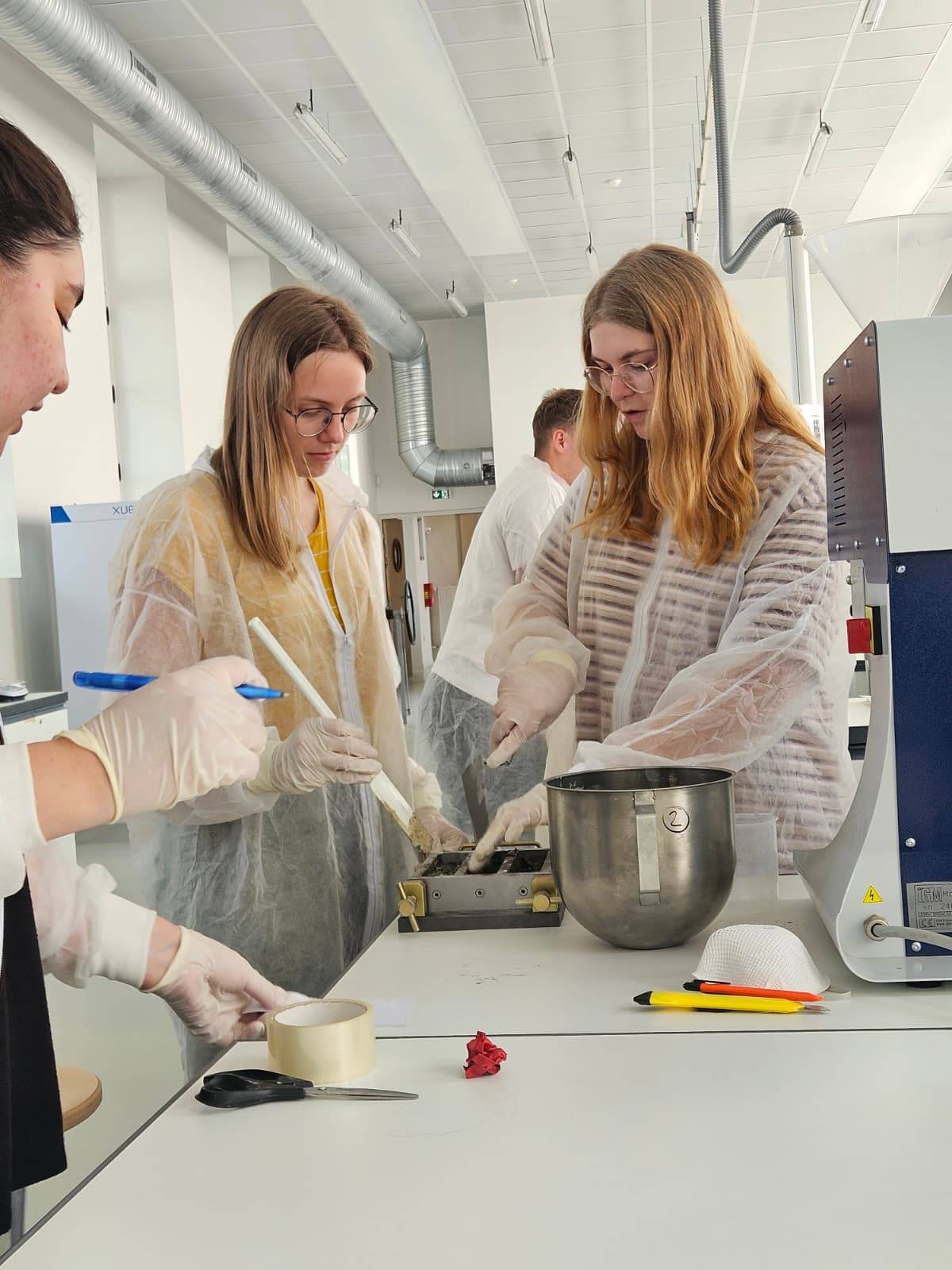
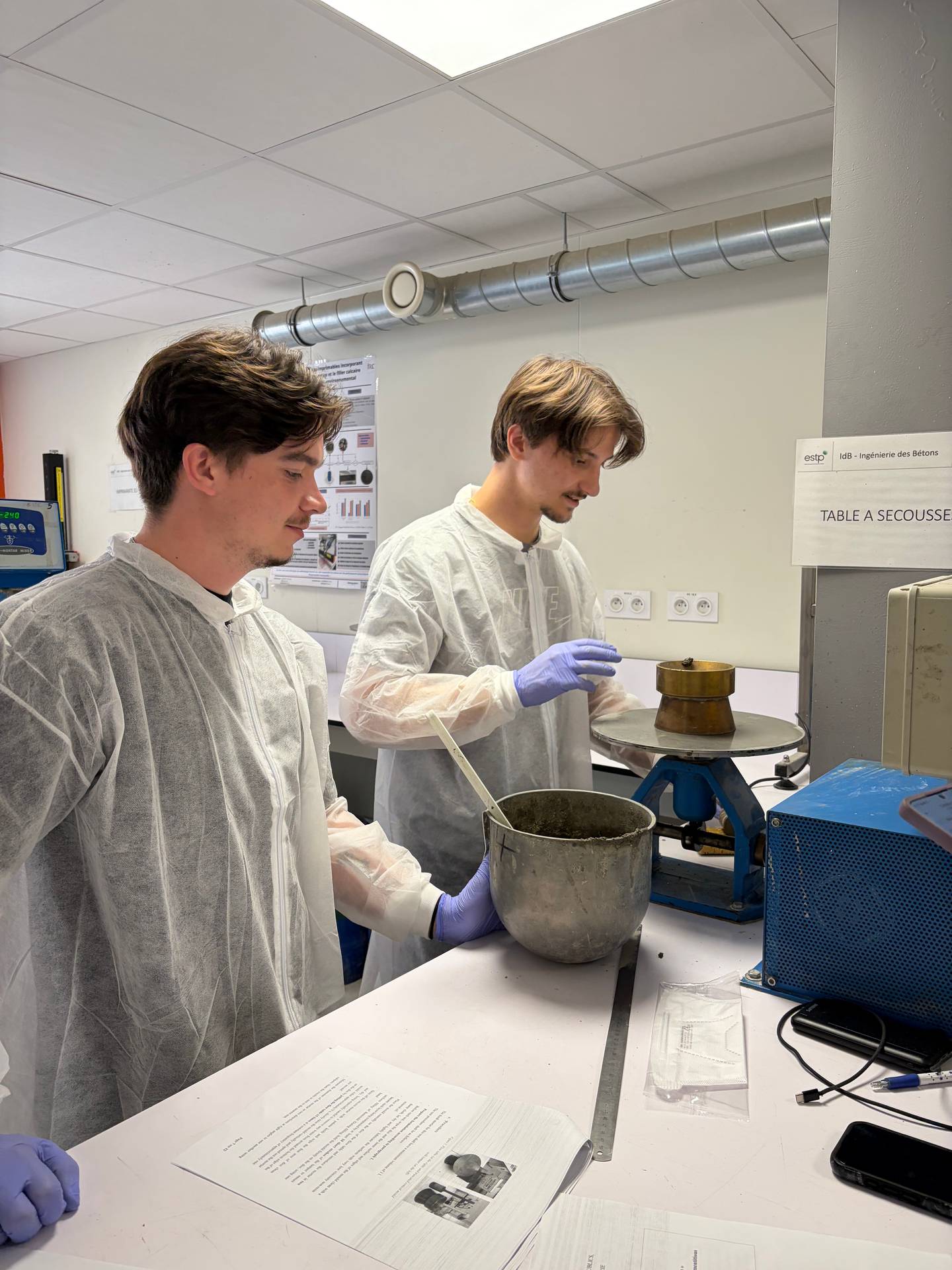
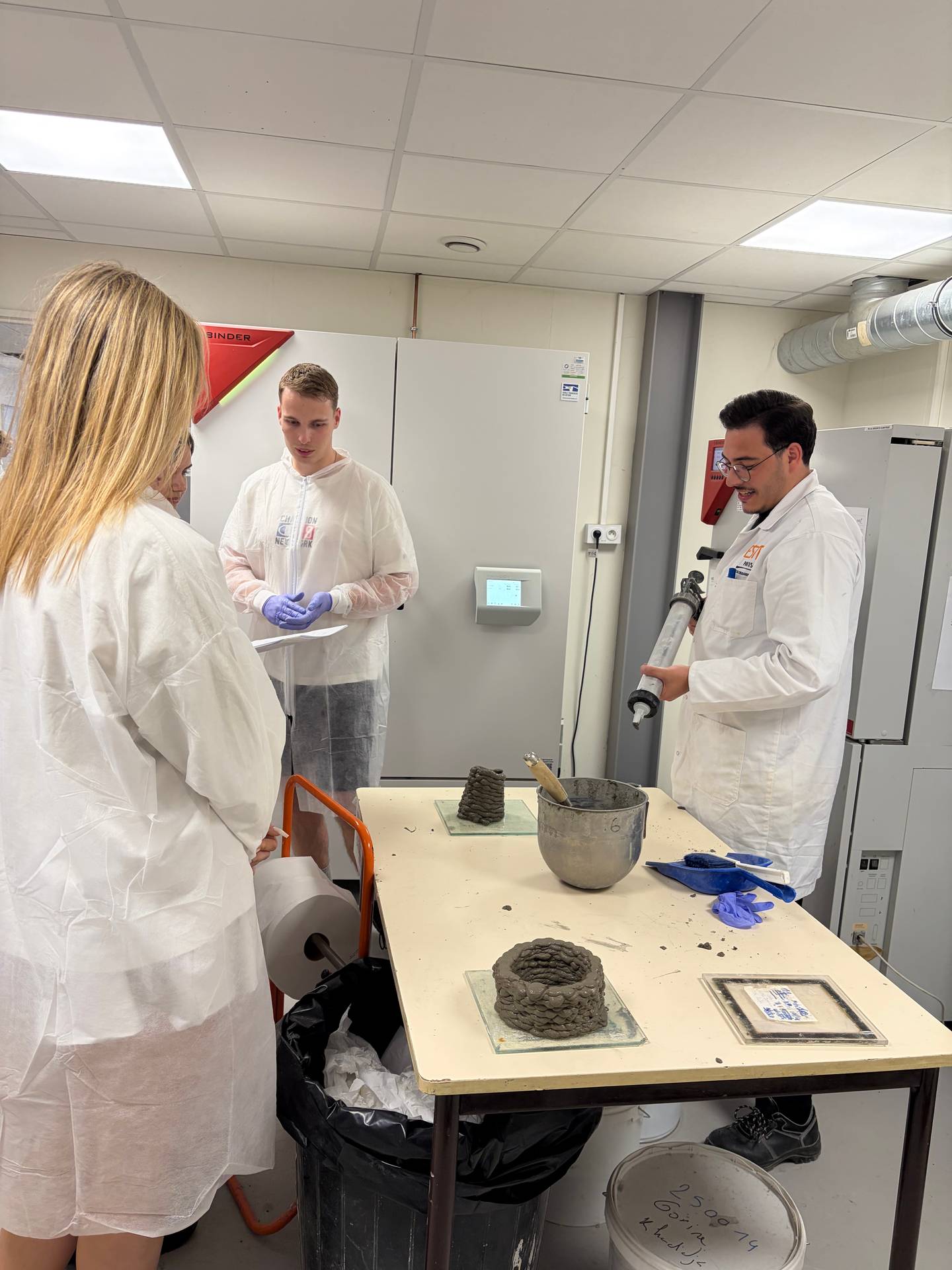
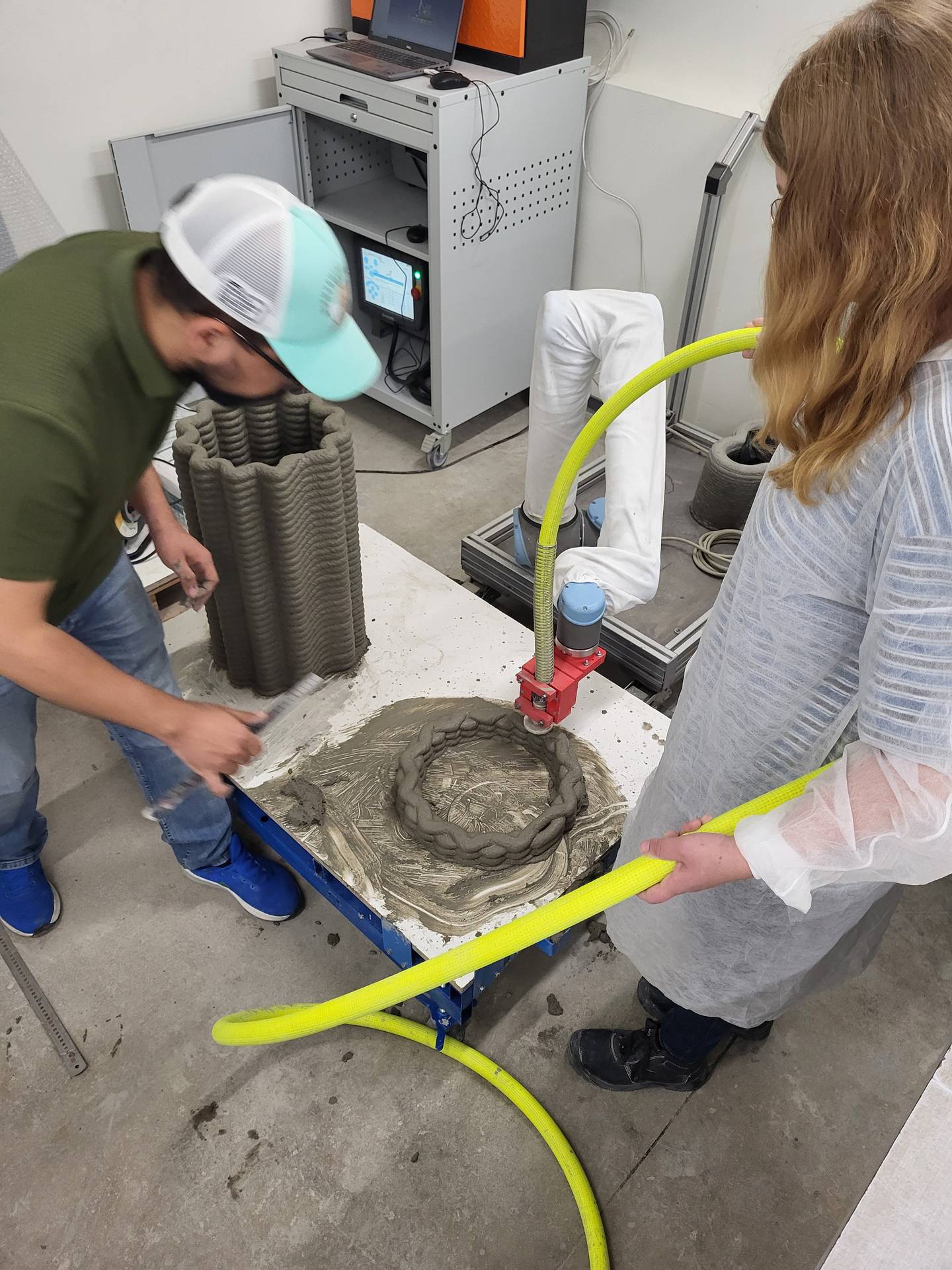
The course placed a strong emphasis on combining theory with practical experience. Working in international teams, students completed the entire design and production process, from developing a concrete mixture to manufacturing the final product using a robotic arm.
The main challenge was to develop a concrete mixture with the lowest possible environmental impact and use it to print the tallest possible column while meeting the required strength parameters.
“Students learned how to replace conventional cement with more environmentally friendly alternatives and worked with recycled materials such as recycled concrete powder and fly ash from coal-fired power plants. Their designs also involved calculating the carbon footprint and conducting a life cycle assessment of the materials,” explains Libor Topolář from the Institute of Physics at FCE BUT, who accompanied the students during their stay.
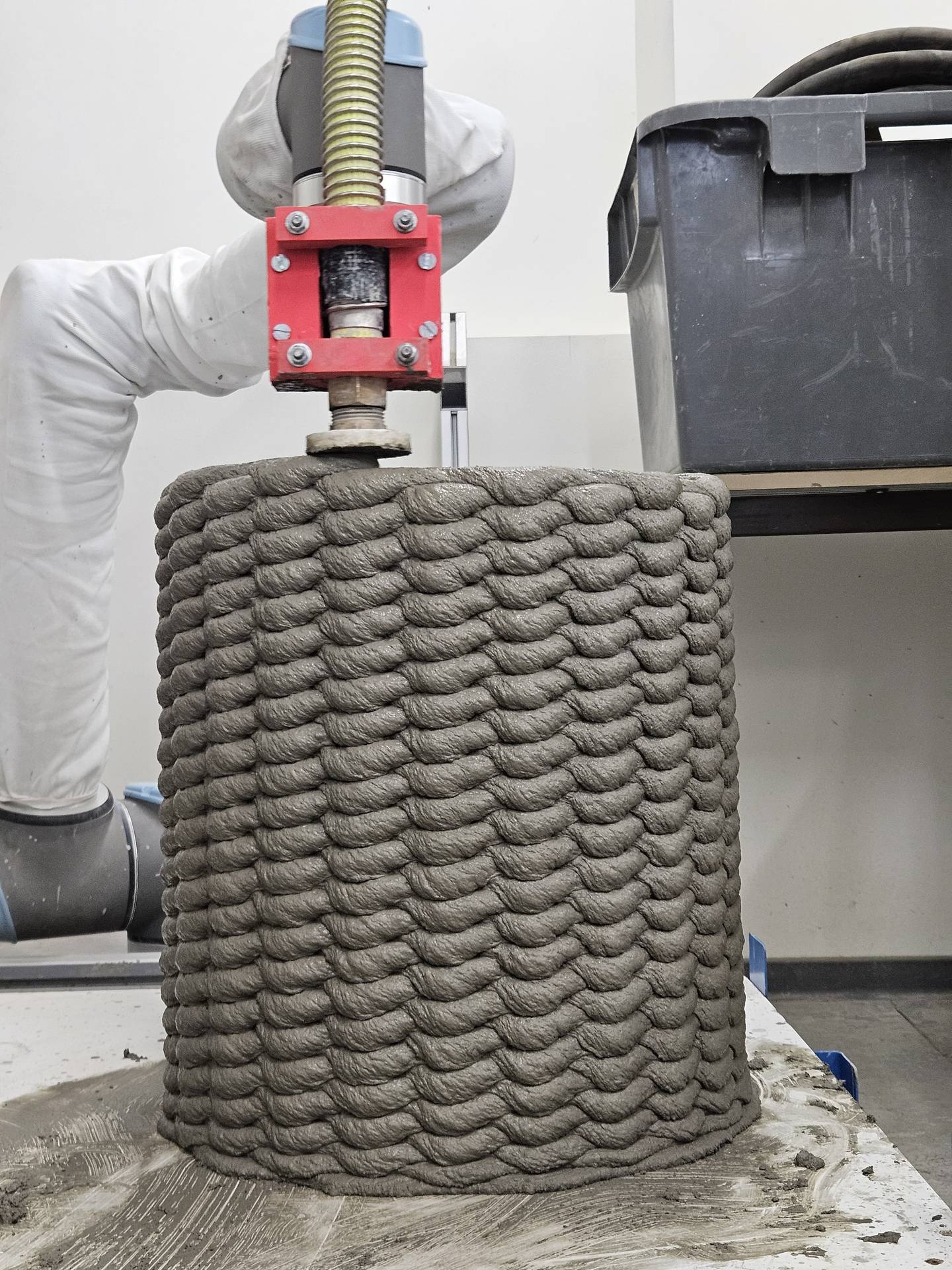
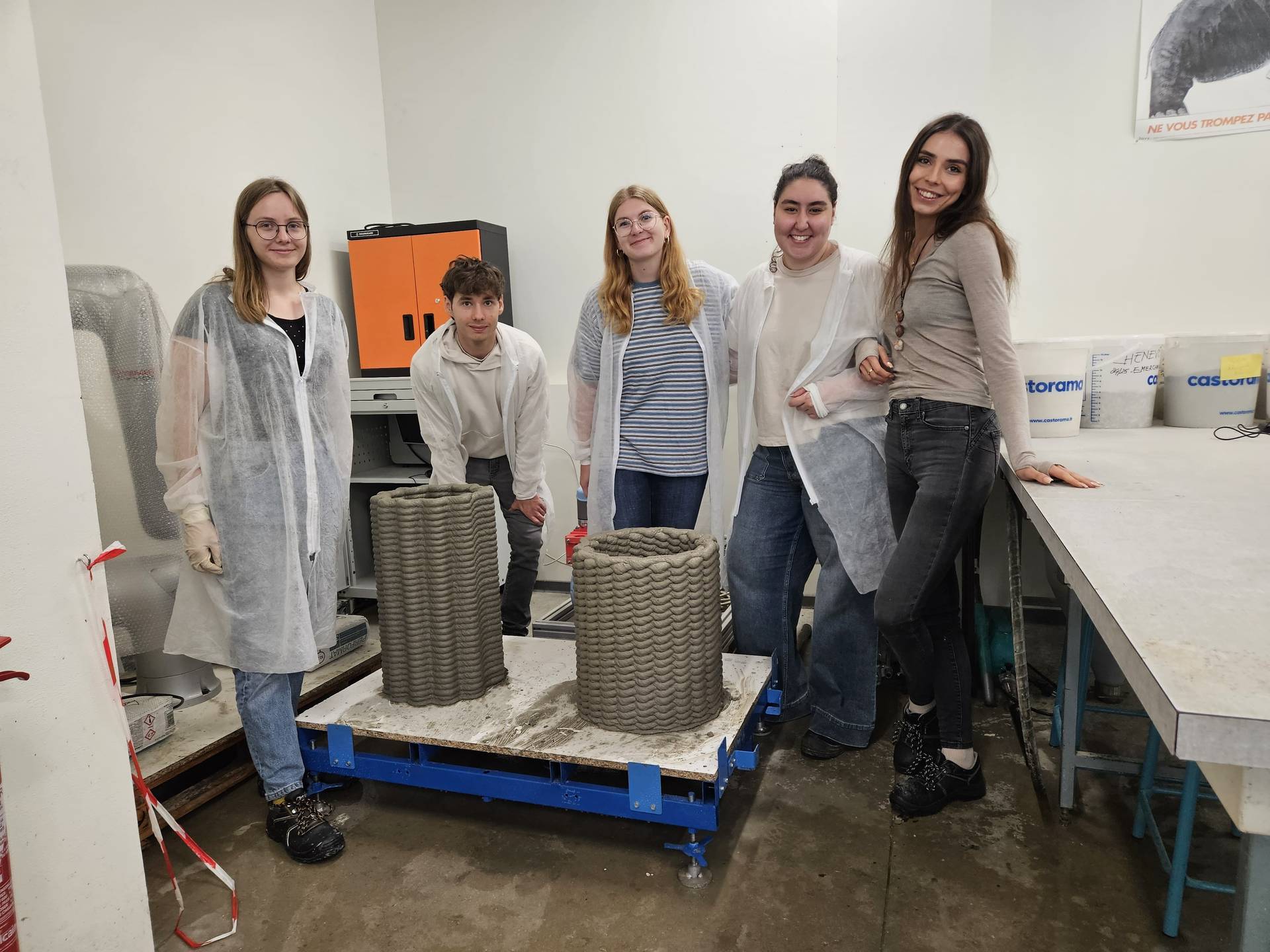
In the laboratories, students designed printing paths, simulated robotic arm movements and eventually printed self-supporting concrete columns. The shape of the structures served more than just an aesthetic purpose – the wavy walls characteristic of 3D printing also provided structural reinforcement.
Less Cement, More Recycling
One of the participants was Vojtěch Rudický, a first-year master's student in the Sustainable Building Design programme. His team achieved the greatest reduction in carbon emissions, thereby minimising the environmental impact of their design.
“The assignment encouraged us to reduce the amount of cement by as much as half,” says Rudický.
When designing their concrete mixture, the team used recycled concrete powder, among other materials. According to Rudický, the properties of the materials were not the only important consideration – their availability also played a key role.
“The environmental impact doesn't come from production alone. You also have to consider where the materials come from and whether they need to be transported halfway across Europe,” he adds.
He considers the ability to optimise materials for specific applications one of the technology's greatest advantages. “When we know what loads a structure needs to withstand, we can design a tailor-made concrete mixture,” student explains.
Beyond its environmental benefits, he also sees considerable potential in the construction process itself.
“One advantage of 3D printing is that there are virtually no limitations on shape. You can create almost any geometry – for example, we designed a star-shaped column. It also reduces the need for human intervention, as people mainly supervise the process,” Rudický adds.
A Basket-Weave Pattern That Impressed the Jury
Another participant was Markéta Kořínková, a third-year bachelor's student in the Architecture of Building Structures programme. Until then, her studies had focused primarily on building modelling. The programme gave her an opportunity to gain a deeper understanding of construction materials and their properties.
“At university, we spend a lot of time studying theory and the aesthetic aspects of buildings. Designing the material helped me understand what properties concrete mixtures need to have. It really broadened my horizons,” she explains.
Markéta's team's final design particularly impressed the expert jury with its aesthetic qualities.
“The print head followed a wave-like path, creating a surface that resembled a woven basket. It wasn't easy because the individual layers don't always bond properly. In the end, however, we managed to print our design successfully,” says Kořínková.
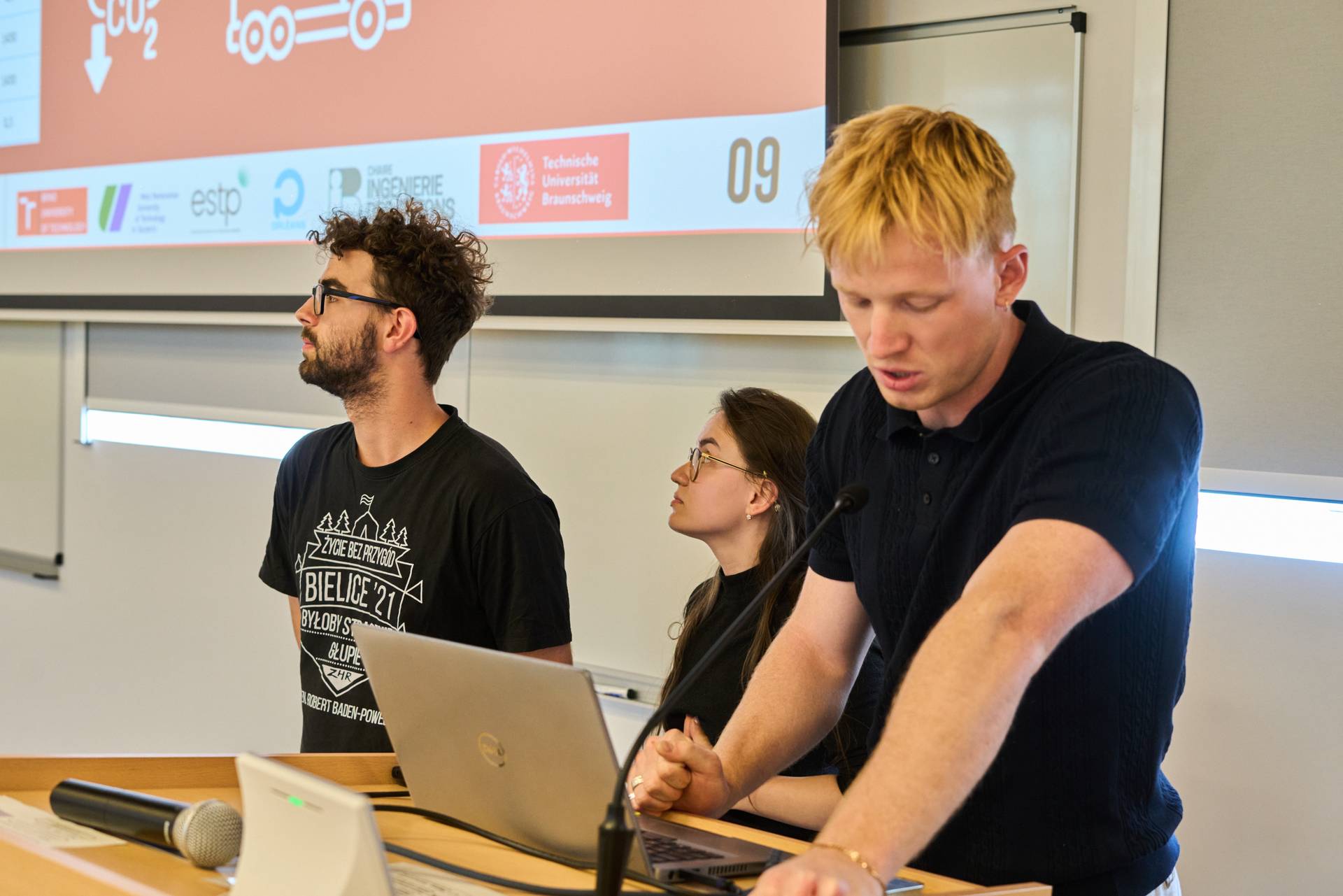
She considers the opportunity to establish professional contacts and gain insight into international practice the most valuable aspect of the programme. “I spent much of my time discussing ideas with lecturers and making new contacts. These connections could be important for future internships or collaborations,” she says.
Benefits for Students and the Faculty
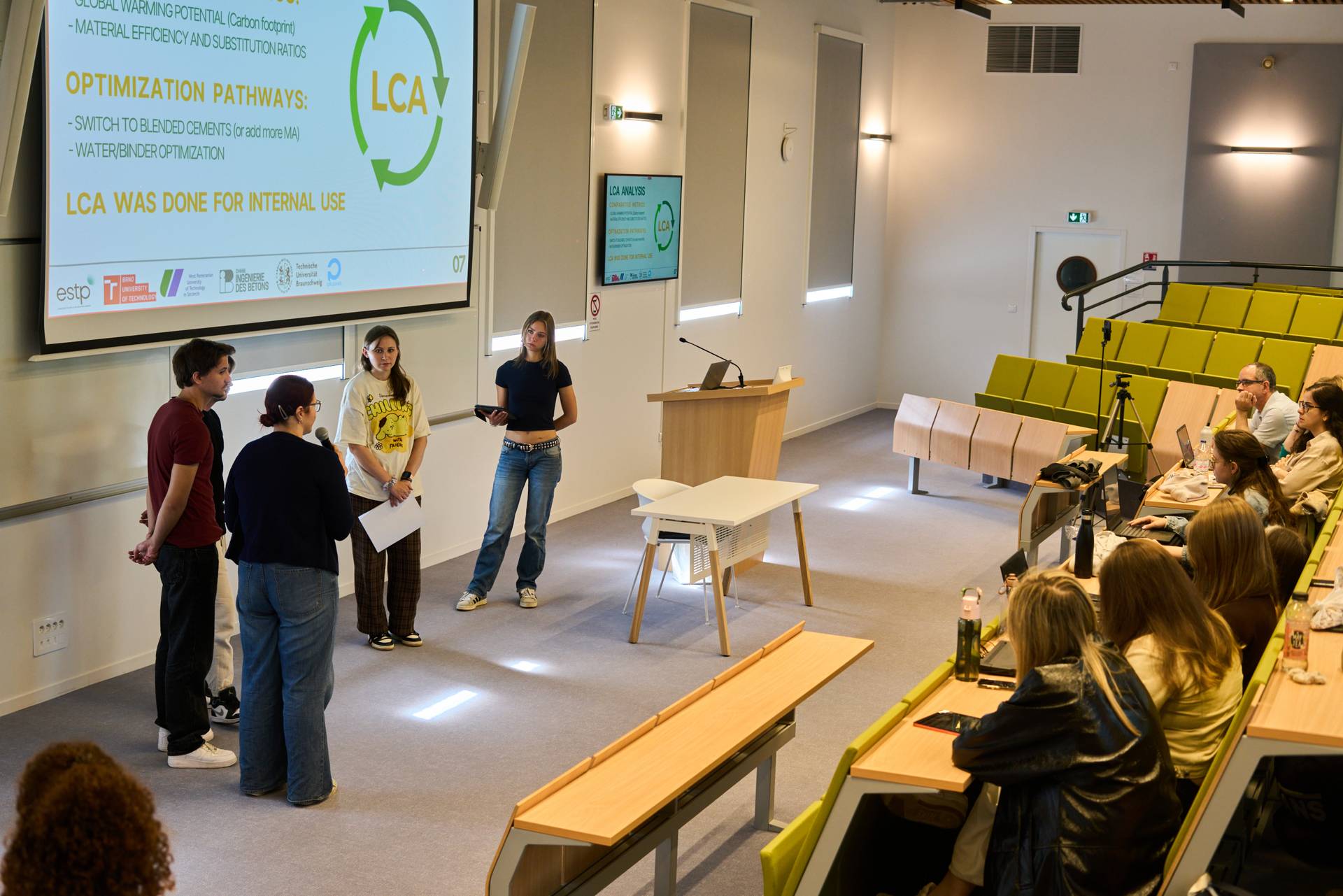
In addition to gaining experience in international teamwork, defending technical solutions in English and establishing new professional contacts, students returned from France with valuable hands-on knowledge of a technology that could fundamentally transform the construction industry in the future.
“The awards and positive feedback from our French colleagues confirm that education at the Faculty of Civil Engineering at BUT keeps pace with the latest European trends,” says Libor Topolář.
However, the programme also brought significant benefits to the faculty as a whole.
“The experience in robotic 3D printing and advanced diagnostics that our students gained in France should be directly integrated into our study programmes. This will significantly strengthen the connection between research and teaching,” Topolář concludes.
| Short link | https://www.fce.vutbr.cz/en/faculty/news/8598 |
|---|---|
| Responsible person | Mgr. Veronika Balko |
| Published |