Czech Know-How Helps Advance Water Management in Bosnia and Herzegovina. AdMaS Welcomes an International Delegation
How can we ensure high-quality drinking water, reduce water losses in distribution networks, and treat wastewater efficiently while maintaining economic sustainability? These are some of the key challenges facing water management professionals in Bosnia and Herzegovina, where Czech expertise can help provide practical solutions. In October, a delegation of representatives from Bosnian and Herzegovinian municipalities and utility companies visited the faculty's AdMaS Science Centre as part of an economic diplomacy mission. The visitors explored the centre's research facilities, practical research outcomes, and opportunities for further cooperation.
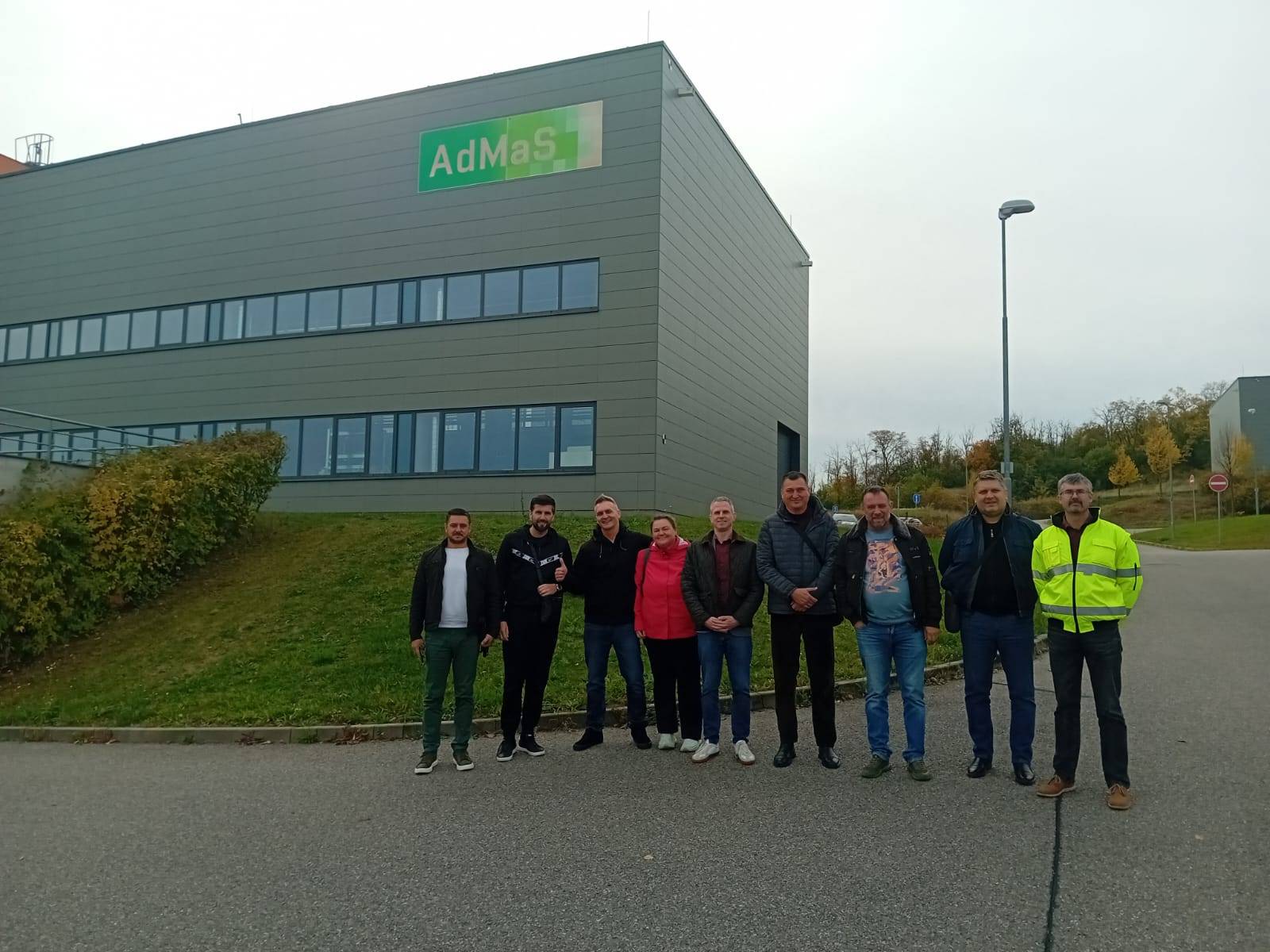
The visit took place as part of the PROPED economic diplomacy mission, organised by the Embassy of the Czech Republic in Sarajevo. Its aim was to showcase Czech technologies and expertise in the modernisation, operation, and financing of water management infrastructure. The delegation was accompanied by Adam Gazda, Commercial Counsellor and Consul at the Czech Embassy in Sarajevo, and Alena Pieklaková from the Ministry of the Environment of the Czech Republic.
From Research to Practical Solutions
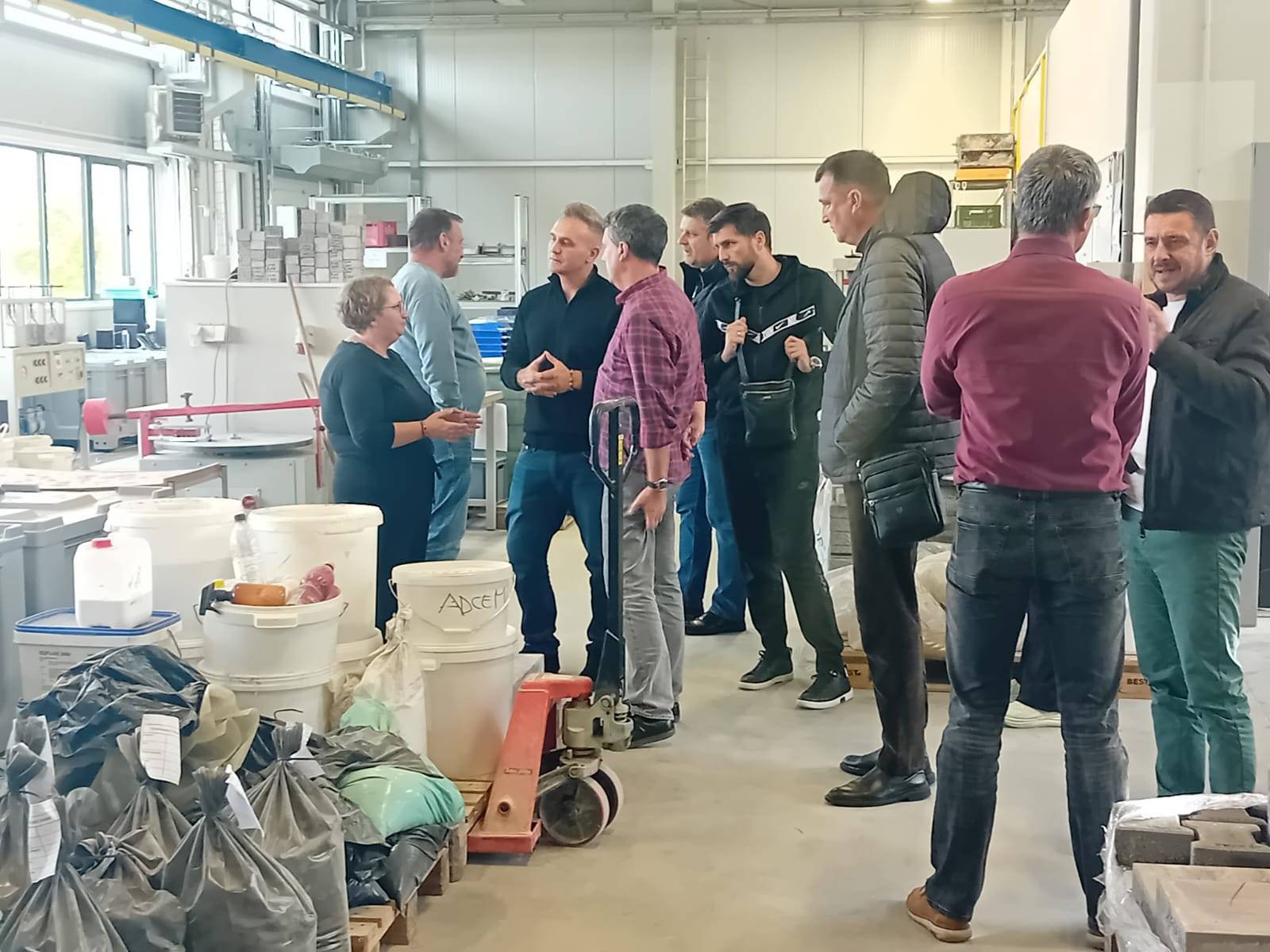
The international guests toured selected laboratories at the AdMaS Science Centre, including the building materials testing laboratory and experimental facilities for stormwater management. They also learned about specific results of the faculty's research and applied research activities.
“The partners from Bosnia and Herzegovina were impressed not only by the centre's state-of-the-art technical infrastructure and research capacities, but also by its practical experience in translating research results into real-world projects,” said Adam Gazda from the Czech Embassy in Sarajevo.
Bosnia and Herzegovina faces significant water losses in ageing distribution networks, as well as the need to build new water supply systems in mountainous and rural areas. Challenging terrain and substantial elevation differences require specific technical solutions. Other long-term challenges include constructing smaller wastewater treatment plants for dispersed settlements, developing wells and pumping systems, introducing nature-based water treatment solutions, and securing financing for these investments.
Water Academy: Czech Expertise for Water Management Professionals in Bosnia and Herzegovina
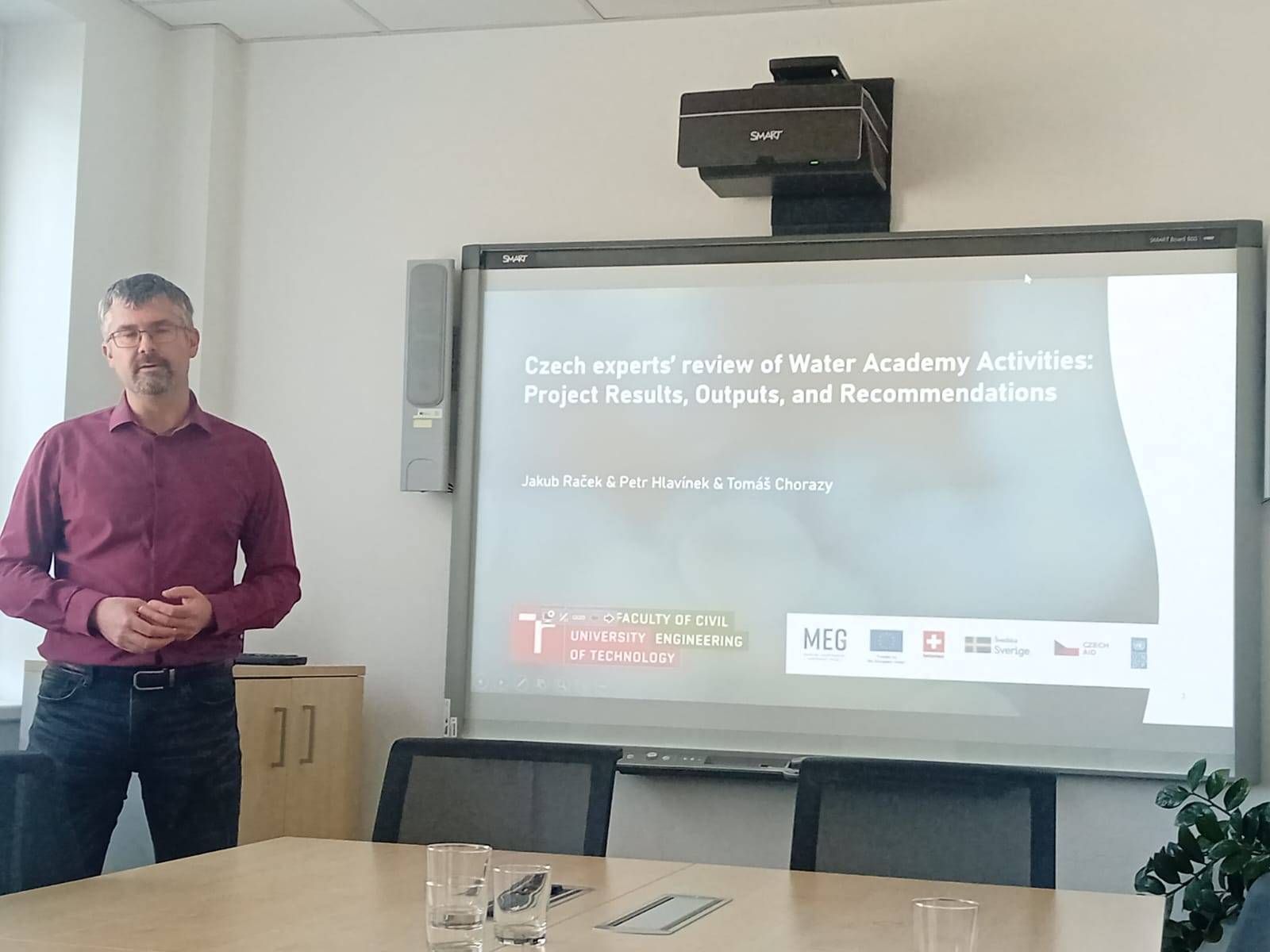
A key part of the visit was the presentation of results from Water Academy, a comprehensive training programme implemented by experts from FCE BUT and the AdMaS Research Centre between September and December 2025 for the United Nations Development Programme (UNDP) in Bosnia and Herzegovina.
The programme was developed as part of the MEG (Municipal Environmental Governance) project, which focuses on improving the management of municipal services and the environment.
A team of experts from the Faculty of Civil Engineering, comprising academics from the Institute of Municipal Water Management, the Institute of Landscape Water Management, and the Institute of Structural Economics and Management, developed a training programme for young professionals in the water management sector, ranging from technicians and managers to lawyers and economists.
The programme went beyond theory, placing particular emphasis on practical experience. It included professional training sessions, educational materials, case studies, online learning, and field trips. Participants visited water management facilities in Bosnia and Herzegovina, including sites in Teslić and Gradačac, as well as facilities in the Czech Republic, such as the Brno-Modřice Wastewater Treatment Plant and the Mostiště Drinking Water Treatment Plant. They also attended demonstrations of robotic water pipe cleaning technologies. Successful participants received certificates upon completion.
Sharing Expertise and Identifying Hidden Challenges
Cooperation to date has included study visits, professional training, methodological materials, and direct expert support in Bosnia and Herzegovina. The October meeting also highlighted follow-up activities carried out in cooperation with Czech Water Alliance, as well as projects being prepared with the Faculty of Civil Engineering at the University of Sarajevo and other academic partners.
“It is therefore all the more important to build on these strong foundations and continue developing joint activities,” emphasised Adam Gazda.
Experience gained through Water Academy highlighted several areas requiring further attention, including long-term professional training, the digitalisation of water utilities, energy savings, and more efficient water treatment.
Another important area of cooperation involves sharing Czech experience in aligning water management legislation with European Union regulations. These efforts can help create the conditions for economically sustainable drinking water supplies, minimise losses in water distribution networks, and protect public health.
Cooperation Focused on Real-World Needs
The project partners are currently considering ways to continue their cooperation and expand educational activities.
“Bosnia and Herzegovina is one of the priority countries for Czech development cooperation. The Faculty of Civil Engineering at Brno University of Technology has extensive experience implementing projects in this Balkan country,” said Tomáš Chorazy, a member of the FCE BUT expert team.
The October visit thus marked another step in strengthening a partnership through which Czech research can help address specific water management challenges in Bosnia and Herzegovina.
| Short link | https://www.fce.vutbr.cz/en/research/achievements/8624 |
|---|---|
| Responsible person | Mgr. Veronika Balko |
| Published |