Bridges That Can Detect Structural Defects: PhD Student Kristína Bezručová Collaborates with Danish Experts
How can we detect damage to a bridge before it becomes a serious problem? PhD student Kristína Bezručová from the Institute of Concrete and Masonry Structures at the Faculty of Civil Engineering, Brno University of Technology (FCE BUT), focuses on identifying these hidden warning signs. Her research helps monitor the structural condition of pedestrian bridges across the Czech Republic. This year, she also established cooperation with the Danish company SVIBS, one of the world's leading specialists in structural monitoring.
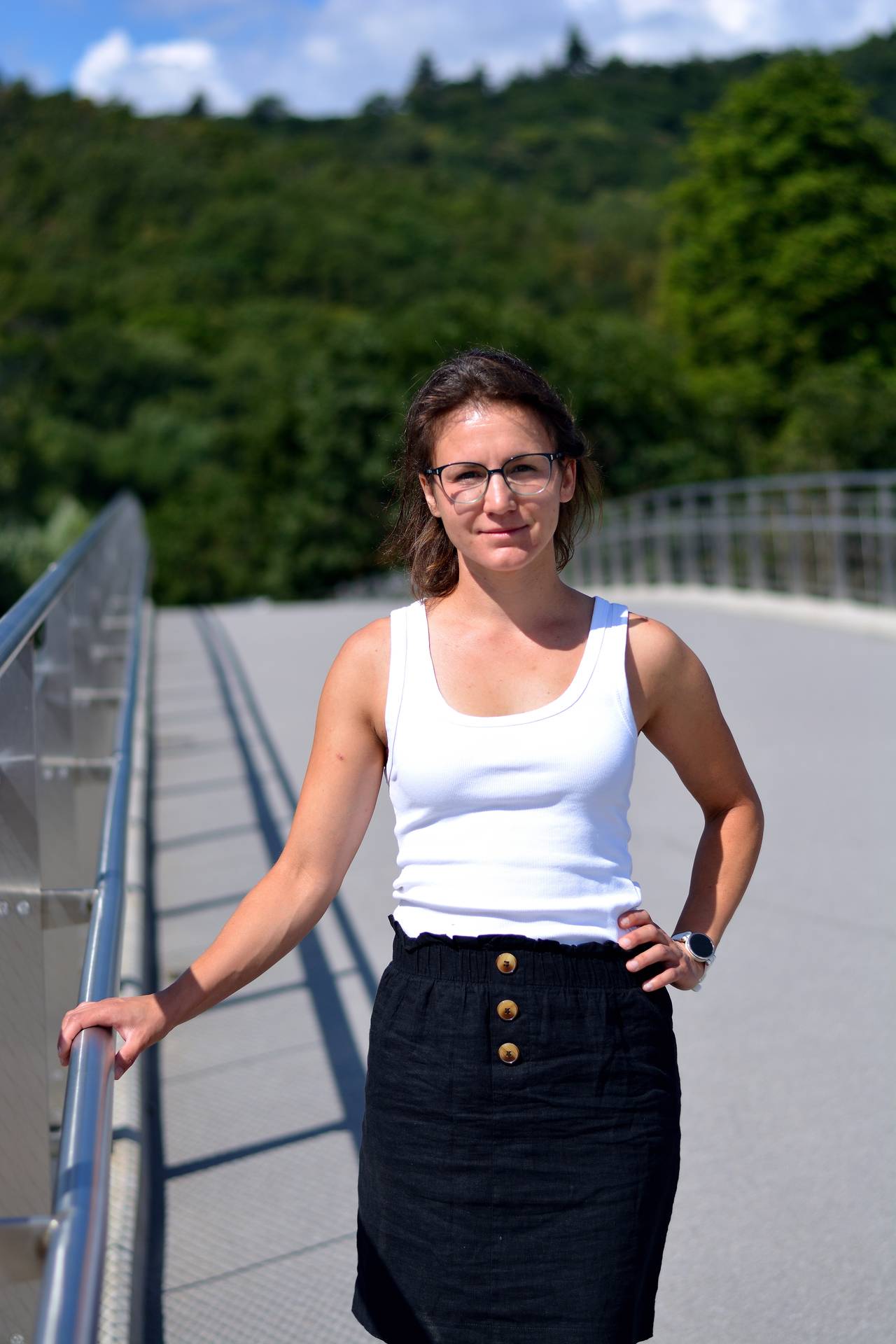
Wind, passing vehicles or pedestrians – structures respond to all these external influences through subtle vibrations. Every structure has its own characteristic vibration pattern, much like every musical instrument has its unique sound. Changes in these vibrations may indicate an emerging structural problem.
Monitoring such changes is the focus of the research team at the Institute of Concrete and Masonry Structures at FCE BUT, led by Radim Nečas. PhD student Kristína Bezručová is an important member of the team, using a method known as Operational Modal Analysis (OMA) to investigate changes in structural vibrations.
Operational Modal Analysis (OMA) for Bridge Diagnostics
Operational Modal Analysis (OMA) measures and evaluates how structures vibrate under normal operating conditions. The recorded data reveal the frequencies and patterns of structural vibrations. Any changes may indicate a defect before it becomes visible to the naked eye. This method therefore offers a relatively simple, non-destructive way to assess the condition of bridges and footbridges and determine whether intervention is needed, such as replacing bearings or introducing additional prestressing.
Mathematics + Civil Engineering = A Strong Foundation
Kristína gradually became involved in research during her studies. Alongside civil engineering, she also studied mathematics at the Faculty of Science at Masaryk University. Combining these two disciplines eventually led her to research into bridge dynamics, a field she continues to pursue today.
“I was immediately fascinated. Studying at the Institute of Concrete and Masonry Structures brought together everything I enjoyed – bridges, dynamics and data analysis. It also had practical applications, which has always been important to me,” says Bezručová.
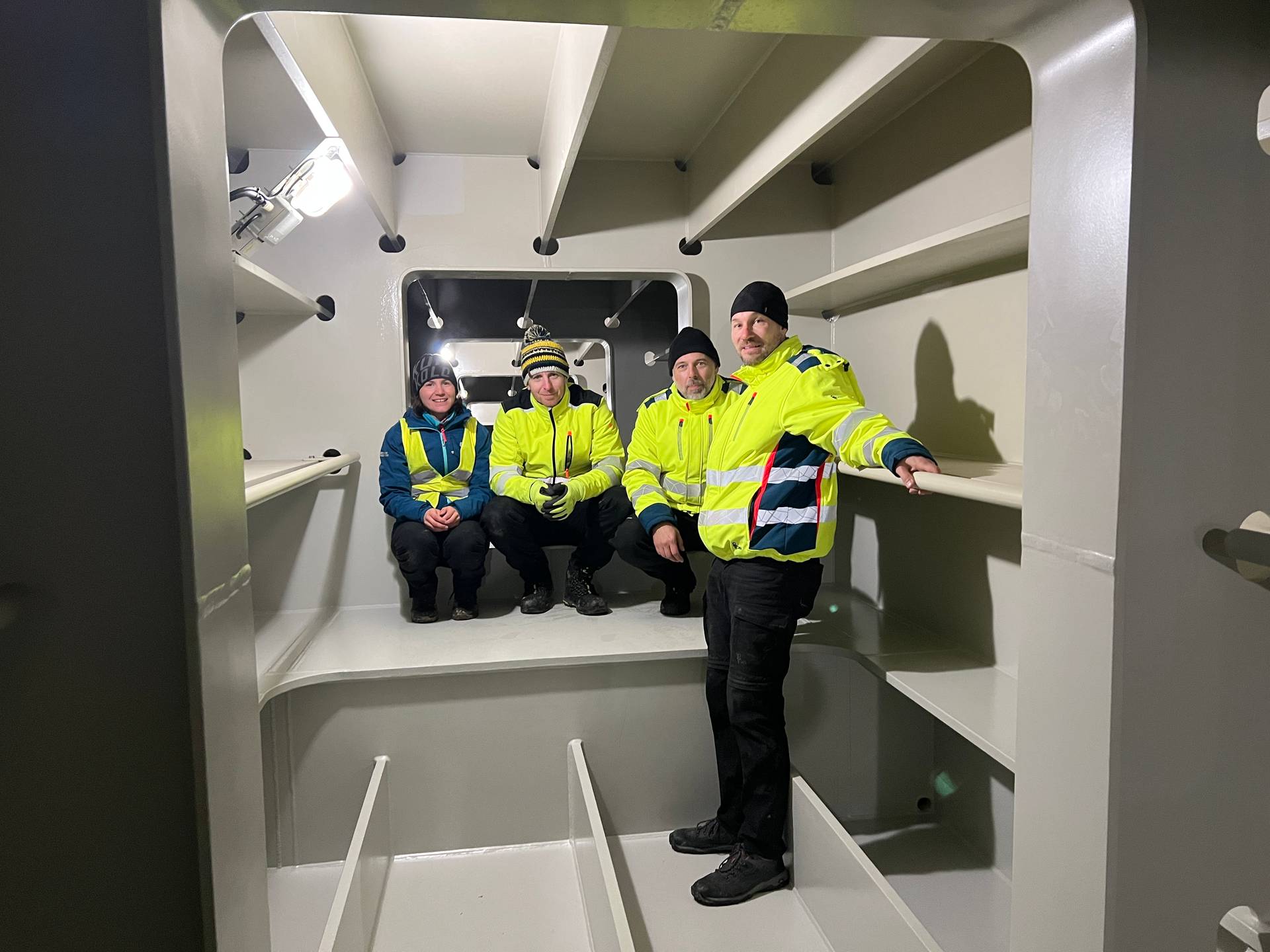
The research also involves active collaboration with the Faculty of Electrical Engineering and Communication at BUT and industrial partners. The aim is to develop wireless smart sensors capable of not only collecting vibration data but also processing them directly using OMA.
From Watching Webinars to International Collaboration
The Danish company SVIBS, based in Aalborg, is internationally recognised for developing software used to analyse the dynamic behaviour of structures and monitor their long-term condition.
Kristína Bezručová has followed the company's work since 2018. “At the time, I came across their webinars and training courses while searching for information. Gradually, we began considering whether their software could also support our research at the institute,” she explains.
What began as an enquiry about the technical capabilities of ARTeMIS Modal, software used for OMA, gradually developed into closer cooperation.
However, the path to this achievement was not entirely straightforward. A newly introduced compulsory international placement for PhD students presented a considerable challenge for Kristína as a mother of young children.
“After discussions with the faculty and SVIBS, we managed to agree on a compromise – a shorter stay abroad combined with remote work and a specific deliverable for the company,” Bezručová explains.
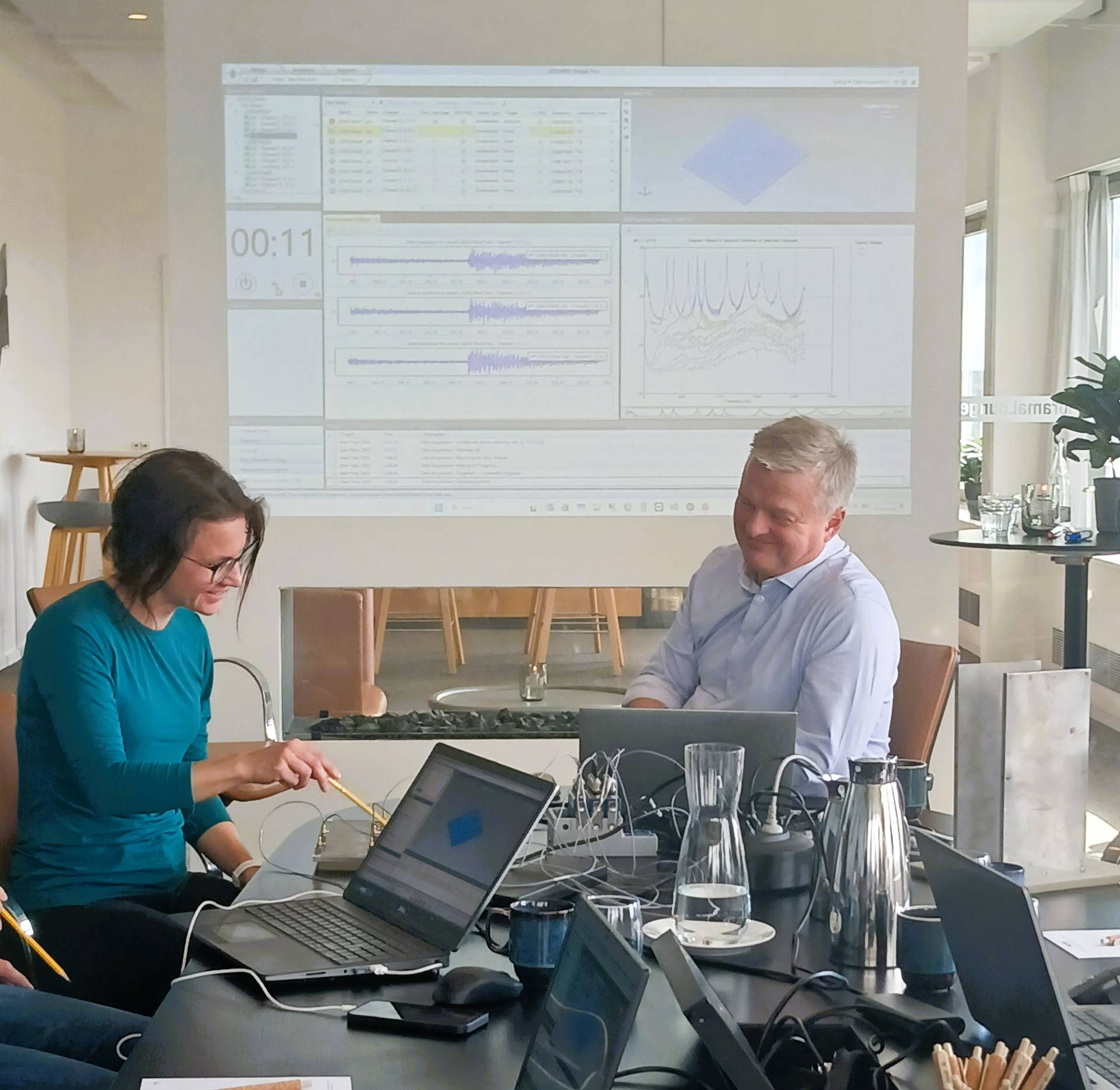
As a result, she attended a training course in Aalborg, Denmark, in April. The programme covered experimental and operational modal analysis, long-term structural monitoring and practical software applications.
“It was a fantastic opportunity to learn about current trends and meet the people behind the software in person,” says Kristína.
SVIBS also provided the FCE BUT research team with a temporary free licence for ARTeMIS Modal, enabling them to process data related to their current research projects.
Footbridges That Change with the Seasons
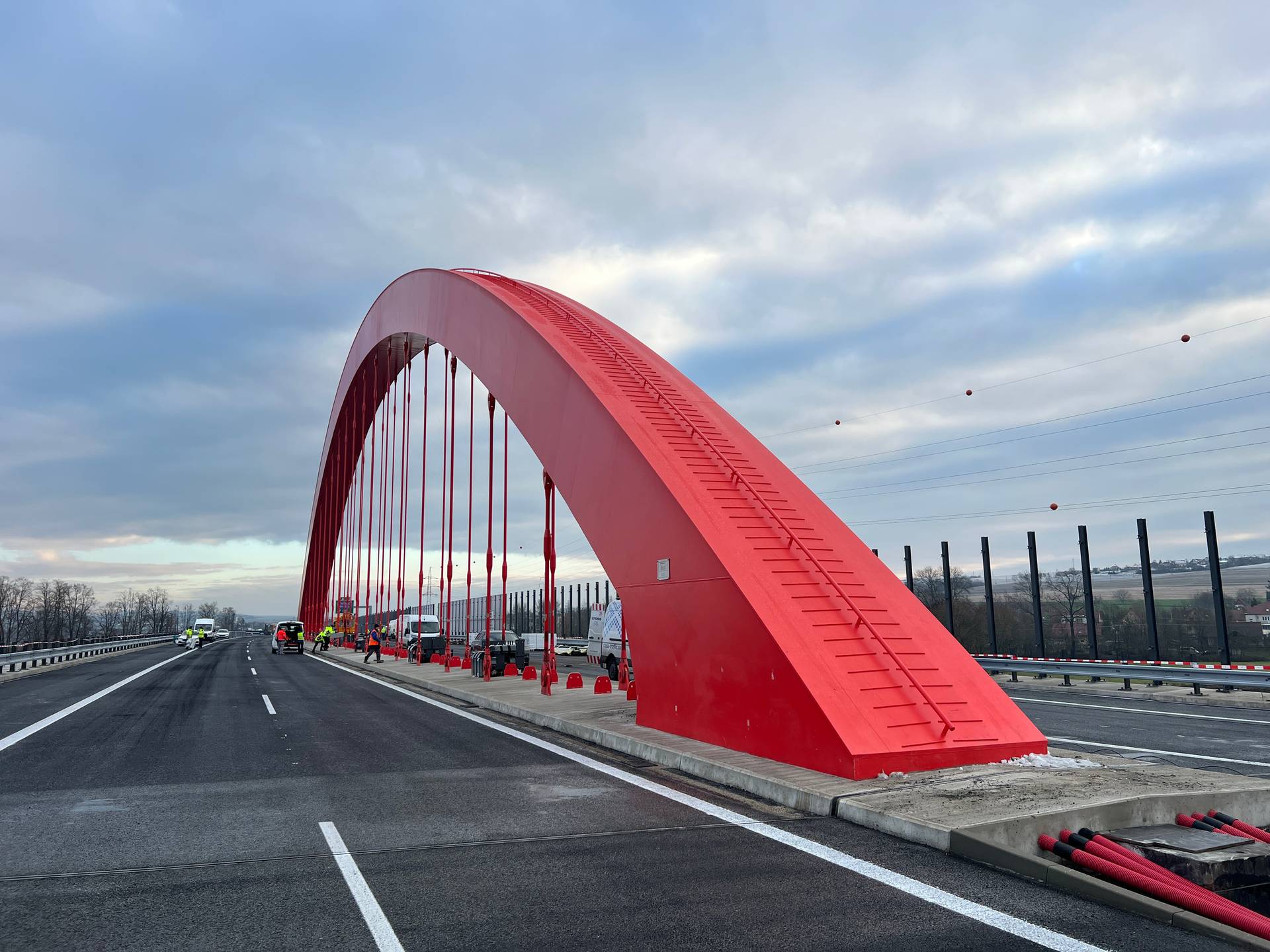
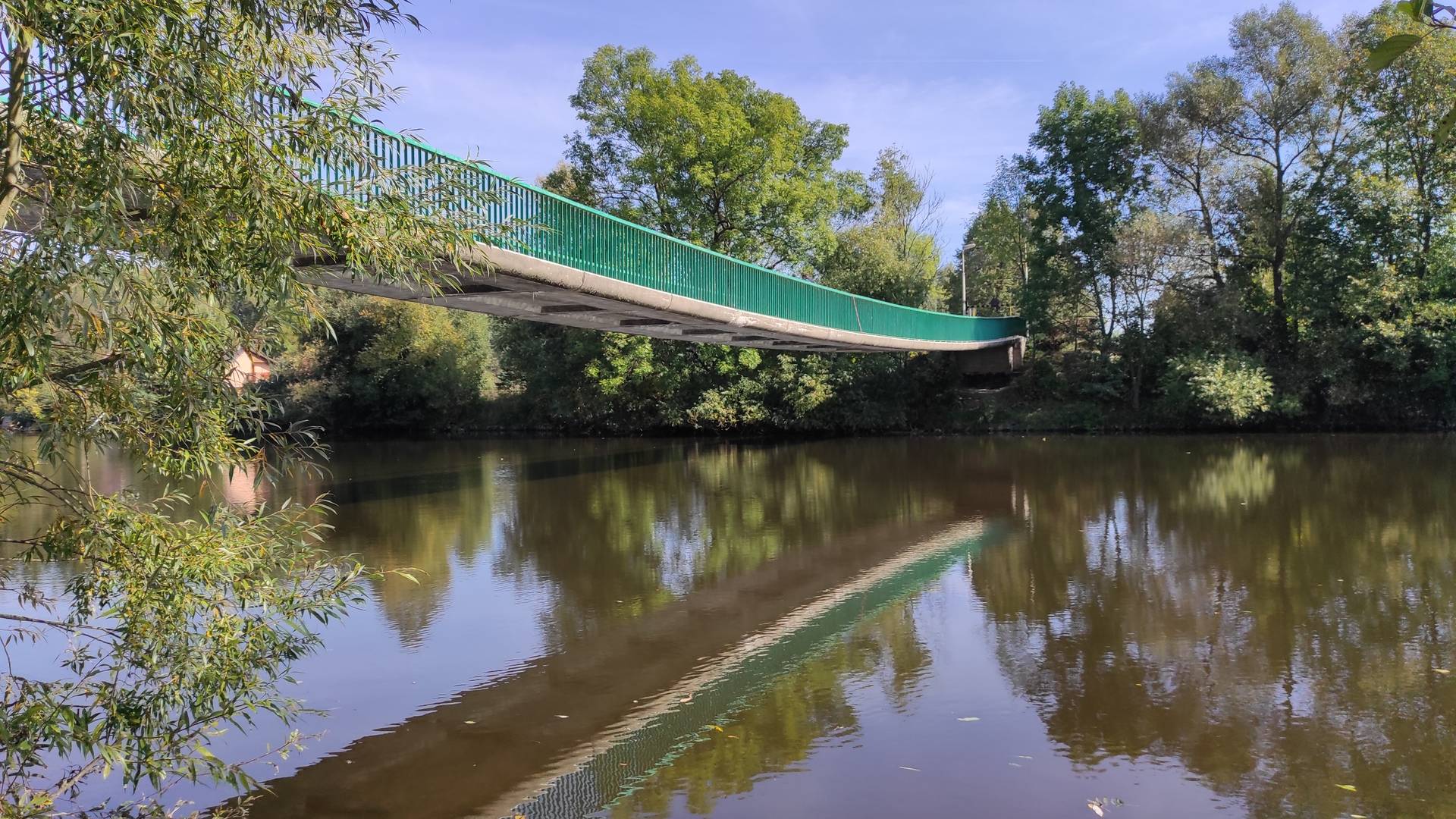
Kristína particularly impressed her Danish partners with the results of long-term monitoring of a special type of suspension footbridge known as a stress-ribbon bridge.
These structures have a characteristic sagging shape and behave differently from conventional bridges. The same structural principle was used in the Troja footbridge in Prague, which collapsed in 2017 and thus highlighted the importance of long-term structural monitoring.
While observing a footbridge in Radonice nad Ohří, researchers from FCE BUT discovered an interesting phenomenon: the structure changes more throughout the year than they had originally expected.
In summer, higher temperatures cause the material to expand slightly, increasing the bridge's sag. In winter, the material contracts, subtly changing the bridge's shape. These seasonal variations also affect the way the structure vibrates.
“At first glance, these changes may seem very small, but they are significant when it comes to measurement and evaluation. To identify a genuine structural problem correctly, we need to distinguish between a normal response to weather conditions and changes that may indicate something more serious,” explains Kristína Bezručová.
The results of Kristína's research impressed SVIBS to such an extent that the company published them as a case study on its website.
She also discusses her experience of international collaboration in greater detail in an interview published by SVIBS.
Kristína Bezručová
Kristína began studying at FCE BUT in 2012 in a part-time programme, which she successfully combined with studying mathematics at the Faculty of Science at Masaryk University. In her third year, she transferred to full-time studies in Structural and Transport Engineering. She completed her bachelor's thesis on bridge structures under the supervision of Radim Nečas.
During her master's studies, her supervisor introduced her to structural dynamics. The combination of bridge engineering, dynamics and data analysis fascinated her so much that she decided to continue researching the subject during her PhD studies.
Kristína is a mother of two who continued studying, conducting research and contributing to projects at the institute while raising her children. Today, she is one of the key members of the research team at the Institute of Concrete and Masonry Structures and has successfully established cooperation with the Danish company SVIBS.
| Short link | https://www.fce.vutbr.cz/en/faculty/news/8600 |
|---|---|
| Responsible person | Mgr. Veronika Balko |
| Published |