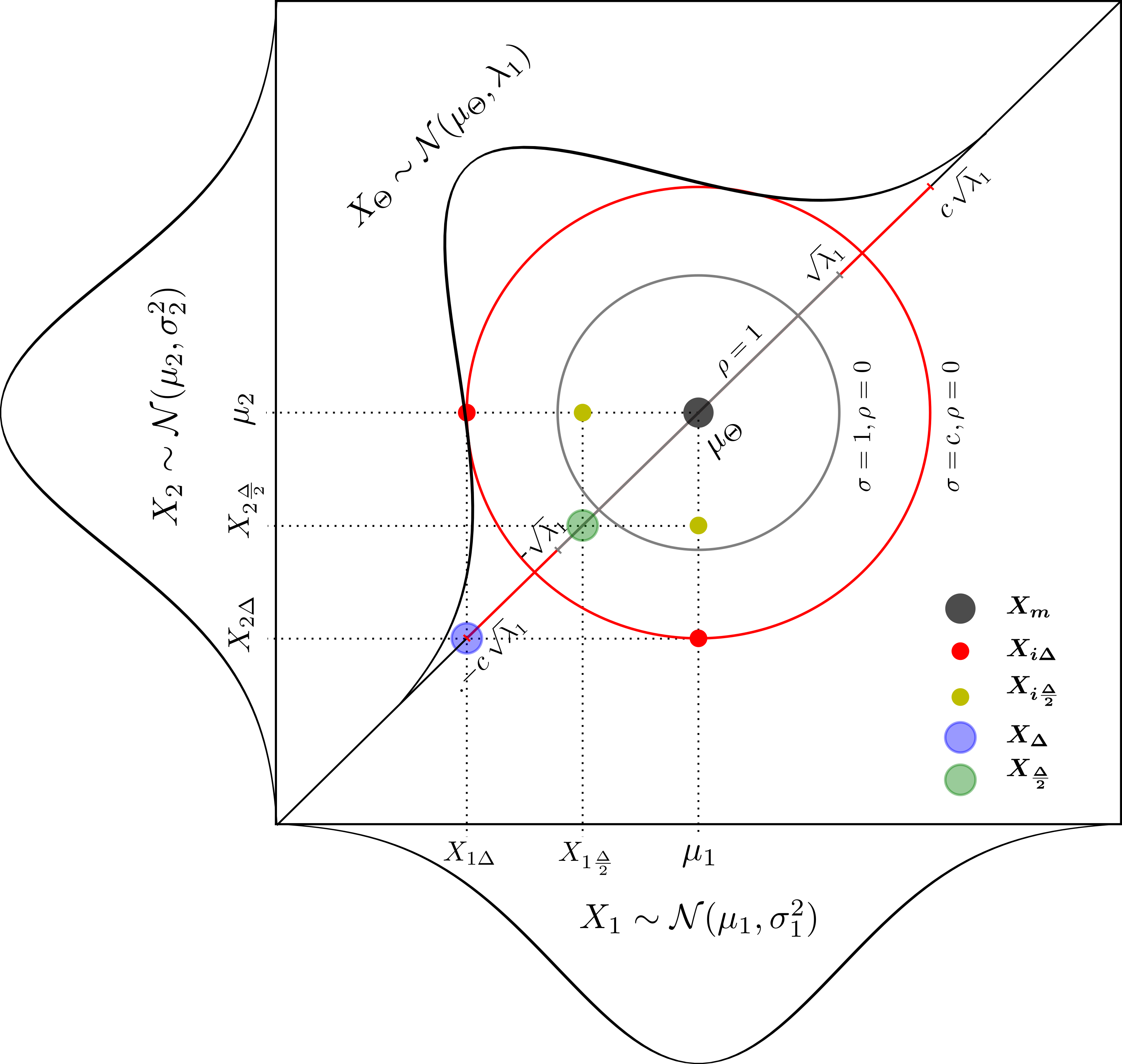
Define the stochastic model
Describe input random variables using experimental data, characteristic values or normative documents. SEMIP can efficiently recalculate quantiles and statistical moments from the available data.
Software · Structural reliability
A standalone tool for semi-probabilistic estimation of structural resistance variability and comparison of design approaches.
Original SEMIP page at BUT ↗01 / Overview
SEMIP is a standalone software tool containing state-of-the-art semi-probabilistic methods for estimating the coefficient of variation of a quantity of interest, together with normative methods implemented in Eurocode for the design and assessment of structures using nonlinear finite element analysis.
The software provides three functions: defining a stochastic model from experiments or normative documents, estimating the coefficient of variation using probabilistic methods, and comparing resistance design values obtained by different techniques.
02 / Workflow
Describe input random variables using experimental data, characteristic values or normative documents. SEMIP can efficiently recalculate quantiles and statistical moments from the available data.
Estimate the statistical moments of structural resistance using probabilistic techniques, including Taylor Series Expansion and Numerical Quadrature.
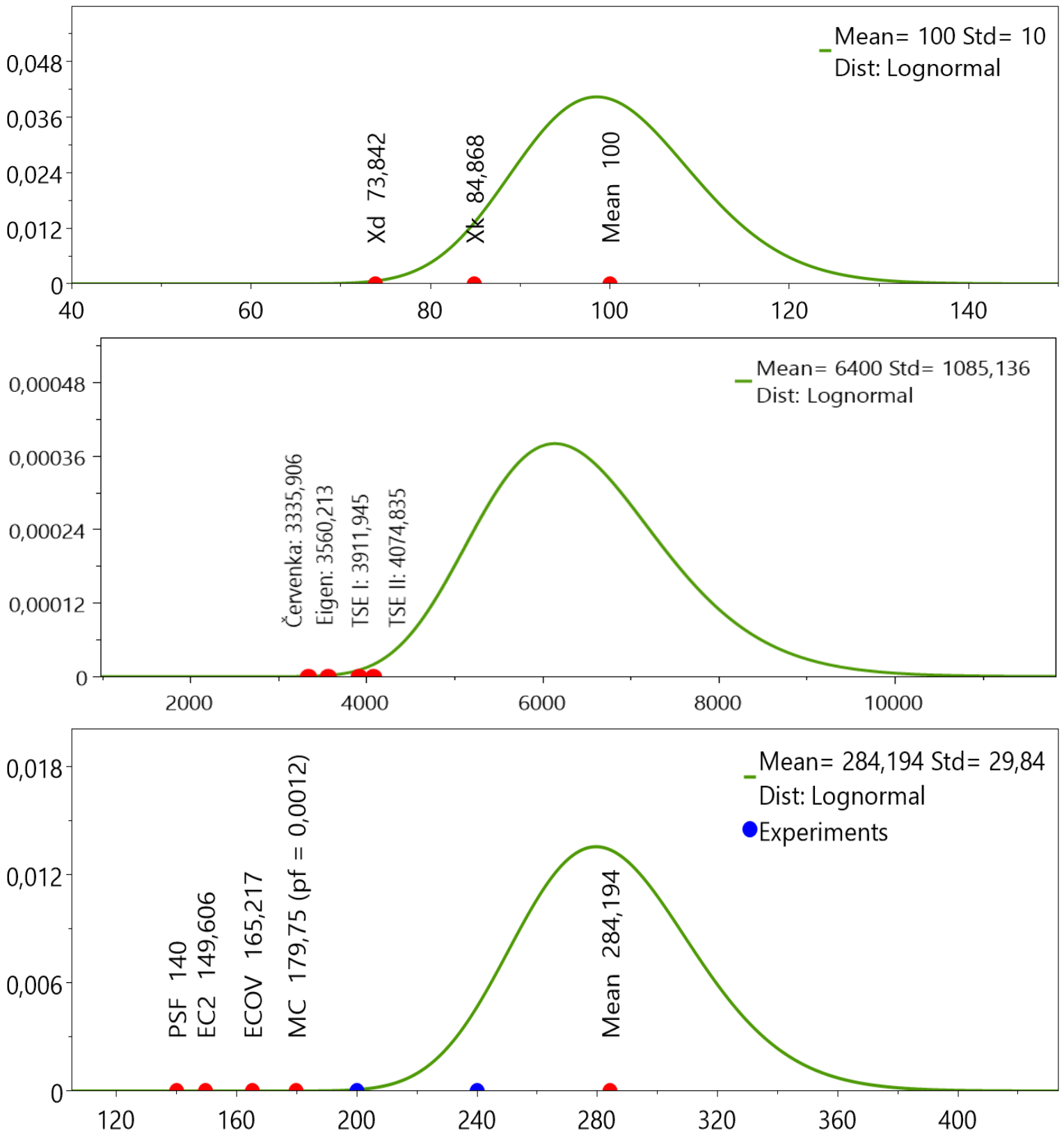
Determine resistance design values that satisfy specified safety requirements using different techniques, then compare and visualize the results in high-definition graphs.
Project acknowledgment. The original SEMIP page states: “The software PCE-UQ was developed with financial support of Technology Agency of the Czech Republic under project No. TH04010138.” This acknowledgment is reproduced as written on the source page; it refers specifically to PCE-UQ.
03 / Theory
04 / Application
SEMIP supports nonlinear finite element assessment and design of structures, including comparison of probabilistic and semi-probabilistic approaches to resistance.